Spill Kit Inspection Checklist: Keep Your Kits Ready
A spill kit nobody has checked is a box of surprises. A monthly checklist — pads, socks, gloves, bin and label — so the kit works the day a drum leaks.
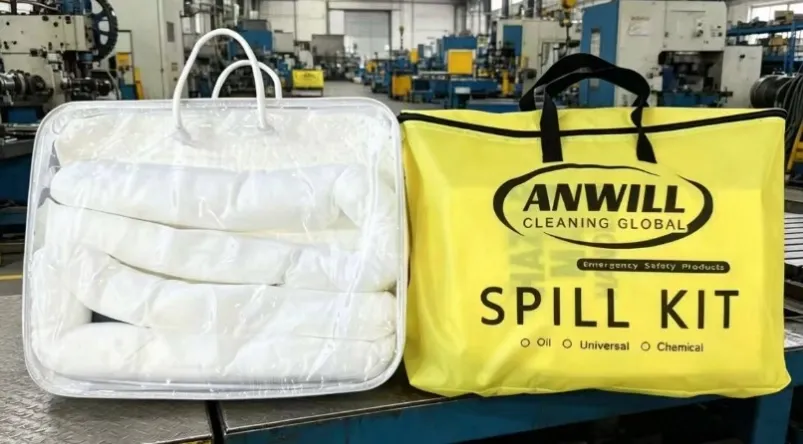
A forklift clips a drum at a warehouse loading bay and diesel starts spreading across the concrete. Someone runs for the 120L kit, wheels it over and lifts the lid — and the kit is not the kit anyone remembers ordering. Half the pads are gone, used on a small leak last month and never restocked. The gloves are missing. The disposal bags are torn. The lid has a crack from months of sun on an uncovered bay. The spill still gets cleaned up, but it takes twice as long, two people work with bare hands, and the used pads end up in a cardboard box because there is nothing else to put them in.
A spill kit inspection is a scheduled, item-by-item check that a kit is complete, undamaged and ready to use — counted against its packing list, not judged by whether the bin looks full from the outside. The inspection takes about ten minutes. The spill it fails to prepare for takes hours, and the difference between the two is usually a kit that was never opened after the day it arrived.
How Often Should You Inspect a Spill Kit?
Inspect every kit once a month as a baseline, weekly where the risk is higher — fuel-handling bays, chemical stores, loading docks and anywhere forklifts work near drums — and immediately after every use, however small. A kit that has been opened is a kit that is no longer full until someone has counted it back to full. Add one extra inspection before the rainy season: in a monsoon climate, that is when outdoor kits take the most weather and when a flooded floor makes a spill hardest to reach.
The inspection needs an owner, not a rota nobody reads. One named person per site, one date a month, and the result written on a tag on the bin: date, initials, pass or fail. A kit with no tag and no owner will not be inspected — it will be assumed ready, which is exactly the assumption that fails on the day of a spill.
The Checklist: What to Check, Item by Item
Work from the packing list, and count — do not estimate. The 120L Oil Spill Kit ships with 75 pads, 4 socks, 5 pillows, 6 disposal bags, 2 pairs of gloves, 2 pairs of goggles and an instruction sheet in a wheeled bin; whatever kit you run, your checklist is its own packing list, and anything below the listed count is a fail. For how to read the dates on gloves, goggles and other gear, and when to retire them, see how to read PPE manufacture and expiry dates.
| Item | Check | Fail sign |
|---|---|---|
| Absorbent pads | Count against the packing list; feel a top pad | Count short, pads damp, stuck together or mouldy |
| Absorbent socks | Count; check the full 1.2 m length | Count short, torn seams, flattened or waterlogged |
| Absorbent pillows | Count; squeeze one lightly | Count short, lumpy fill, wet or split seams |
| Gloves | Count pairs; stretch one gently | Count short, stiff, sticky or torn |
| Goggles | Count pairs; check the seal and strap | Scratched lens, cracked frame, perished strap |
| Disposal bags | Count; check the ties are with them | Count short, torn, ties missing |
| Instruction sheet | Present, readable, in the local language the crew uses | Missing, faded, or in a language nobody on shift reads |
| Bin, lid and wheels | Lid closes, wheels turn, handles hold | Cracked lid, seized wheel, broken handle, standing water inside |
| Label and location | Kit sign visible from the aisle; nothing stacked on or in front of the bin | Sign missing or faded, bin blocked, bin moved without updating the site plan |
Every failed line gets fixed the same day or the kit is tagged out of service. A half-empty kit left in place is worse than no kit at all: it tells the crew help is there when it is not.
What Kills a Kit in a Hot, Humid Climate?
Tropical storage is harder on a kit than a temperate warehouse. Humidity is the quiet one: absorbent pads left in a damp bin absorb moisture from the air, go limp and mouldy, and lose capacity long before anyone notices, because the bin still looks full. Heat and sun do the visible damage — lids warp and crack, bin plastic goes brittle, glove rubber turns sticky, and goggle straps perish. Rain does the rest: a kit stored outdoors without a cover fills with water, and oil-only pads floating in a puddle are pads that will not be used.
The fixes are unglamorous and they work: keep kits under cover and off the floor, out of direct sun; keep the lid closed; in a humid store, check the top pad every month by hand — if it feels damp, the whole kit needs drying or replacing. For the full storage rules, see how to store absorbents so they work when you need them. Where a site runs several kit sizes, the size decision matters too — a 20L kit at a fuel pump and a 120L kit at the drum store need different contents, so choose each one against the largest spill it is meant to handle: how to choose the right spill kit.
After the Inspection: Restock, Record, Repeat
Restocking is part of the inspection, not a separate job for later. The inspector carries the spares — a bag of pads, a pair of gloves, a roll of disposal bags — and tops the kit up on the spot. What cannot be fixed on the spot goes on the order the same day, with the kit tagged "restock pending" so the next shift knows it is short. The record is one line per kit per month: date, inspector, pass or fail, what was replaced. That log is also what an auditor asks for first — a dated record beats a remembered promise every time, and it is the fastest way to prove a site's kits are maintained rather than merely bought.
When the kit does pass, leave it exactly where it belongs, lid closed, sign visible, nothing stacked on top. The next person to need it will be in a hurry, possibly in the dark, possibly ankle-deep in diesel. Ten minutes a month is what makes the kit ready for them. Restocking also means replacing disposal bags, so what happens to used absorbents after a clean-up is settled before the next spill.
Request a Quote
A kit that is inspected monthly is a kit you can trust. Contact Anwill for a quotation or email [email protected]. Chengdu Anwill Technology Co., Ltd. (Anwill) is a spill control products supplier in China, with customers in over 40 countries — oil, universal and chemical spill kits from 20L to 660L, absorbent pads, socks and pillows, and the gloves, goggles and disposal bags to restock them.
Routine inspection also keeps people from improvising under pressure: when the kit is already checked and complete, crews can focus on evacuation decisions when the fire alarm sounds instead of hunting for equipment or returning to finish a task.
Skipping the monthly check because the kit "looked fine last time" belongs on the shortcut list behind most spill and injury reports.
The same record-keeping habit applies to the events that never became spills: logging near misses the same way catches the cause before it becomes a cleanup.
If an inspection turns up findings, don't let them sit in a spreadsheet: use tracking corrective actions after an inspection to make sure each fix has an owner, a deadline and evidence that it was verified closed.
The same monthly discipline applies to the SDS binder — a practical fallback system keeps the sheets at the rack. When a routine check finds a weeping drum and the report goes nowhere, follow the steps for escalating a leak report that gets no response.
Used absorbents and disposal bags from a kit inspection follow the same containment discipline described in how hospitals store medical waste before collection.