Blog
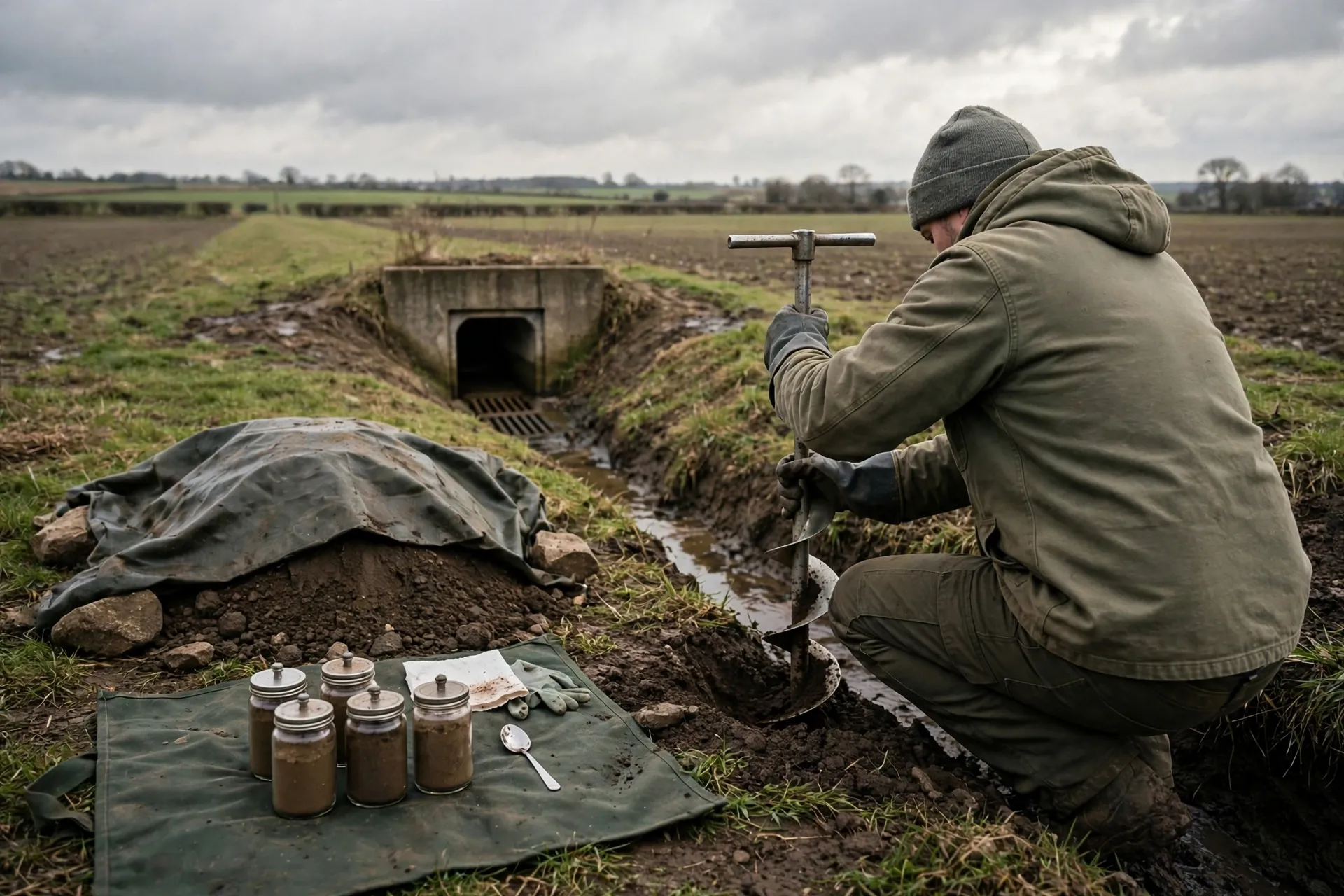
PFAS in Farm Soil: What Landowners and Contractors Are Being Asked Now
PFAS in farm soil changes how contractors sample, stockpile and move earth. A practical readiness checklist for landowners, drainage crews and spill response.
PFAS in farm soil changes how contractors sample, stockpile and move earth. A practical readiness checklist for landowners, drainage crews and spill response.
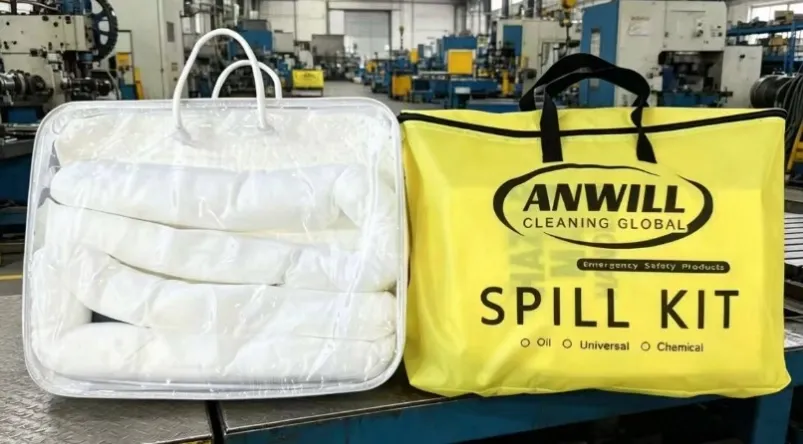
A spill kit nobody has checked is a box of surprises. A monthly checklist — pads, socks, gloves, bin and label — so the kit works the day a drum leaks.
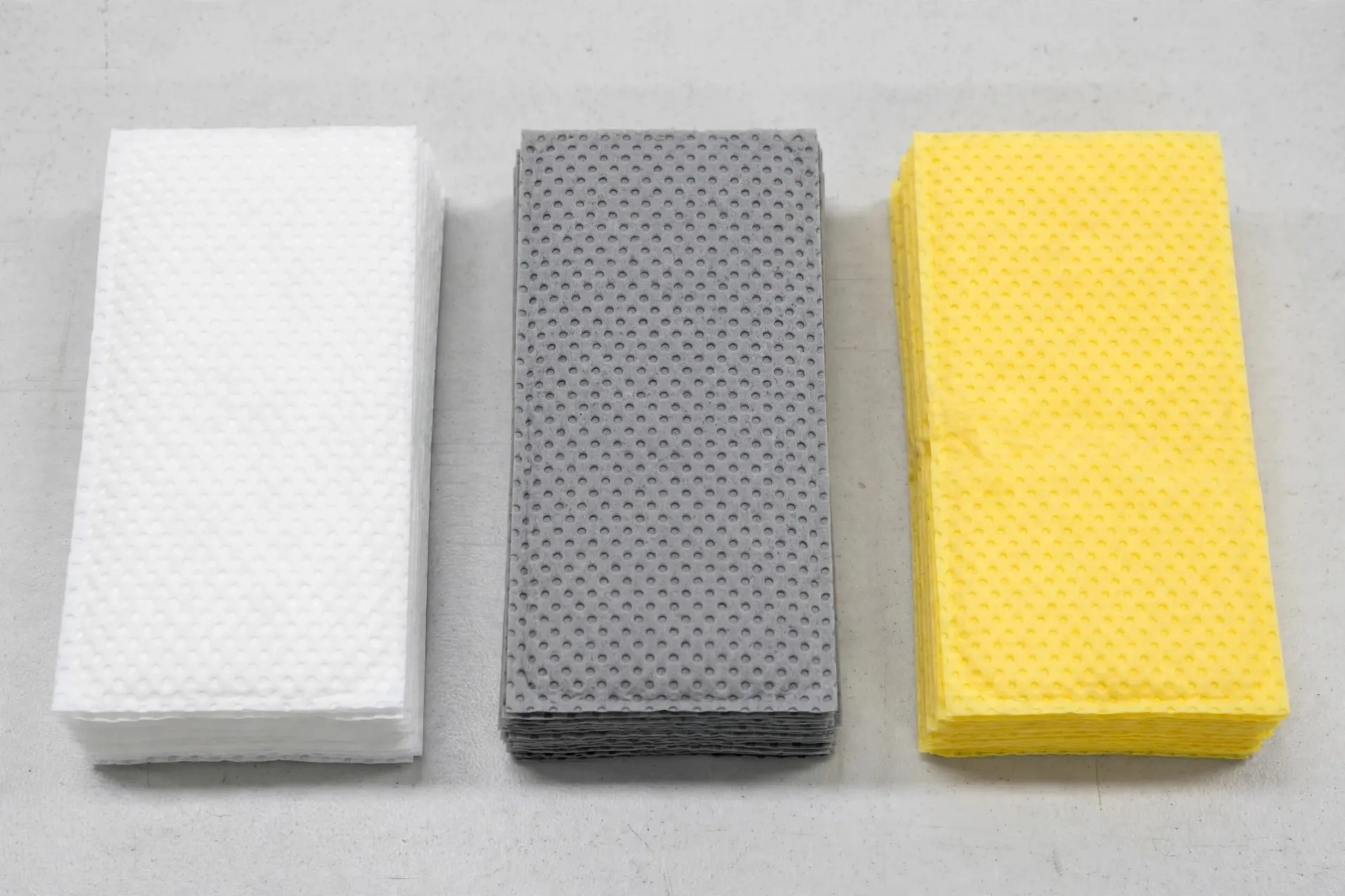
White, grey or yellow — the colour of an absorbent pad decides what it can soak up. Pick the wrong one and a mixed oil-and-coolant spill will beat your kit. Here's how to choose.
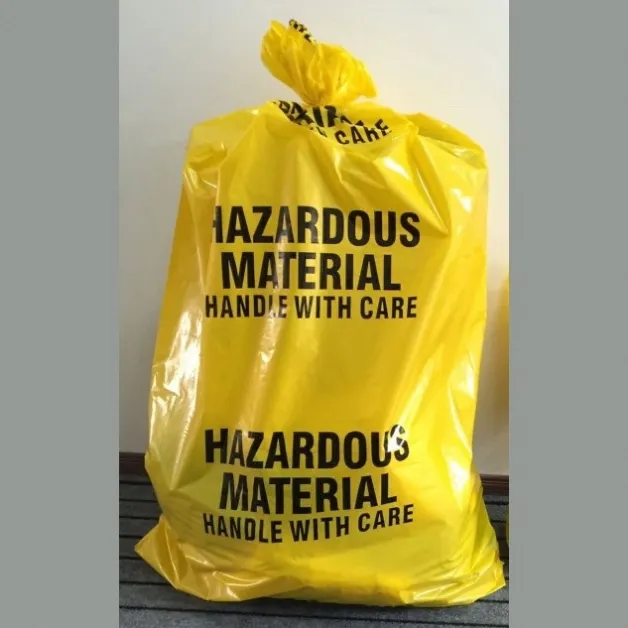
Used absorbents become a compliance problem when bags sit unlabeled or drums overfill. A step-by-step route from waste point to manifest and disposal.
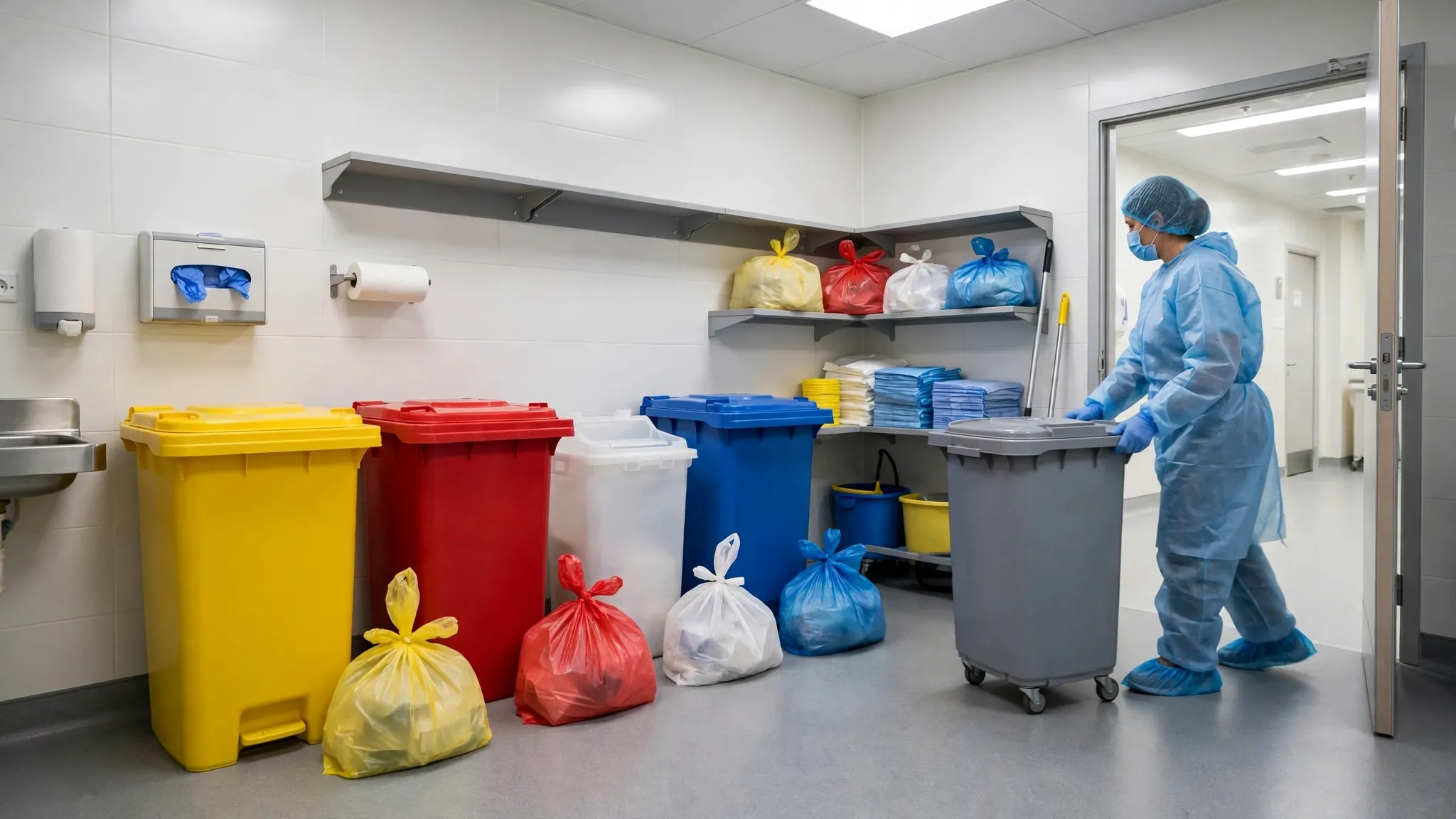
Medical waste piles up when segregation, storage and collection drift apart. Colour-coded segregation, the 48-hour limit and a daily collection routine keep a hospital audit-ready.
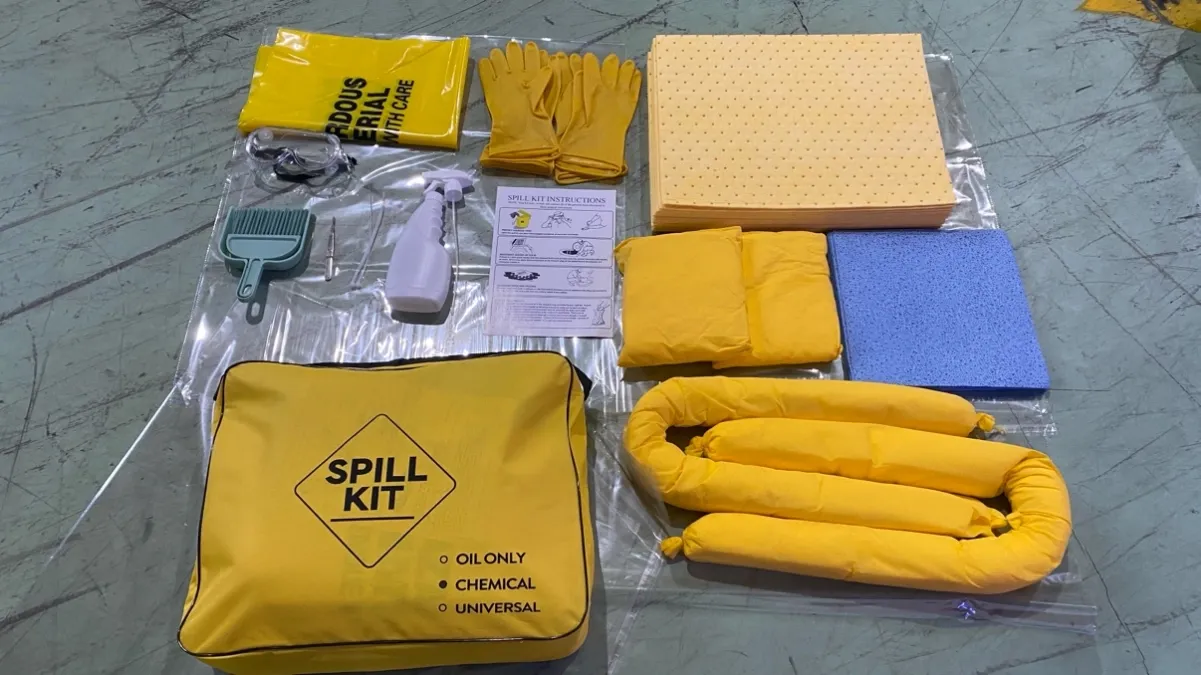
A drum tips over in a chemical store and liquid runs for the floor drain — the first ten minutes decide whether it stays a cleanup or becomes an incident report.
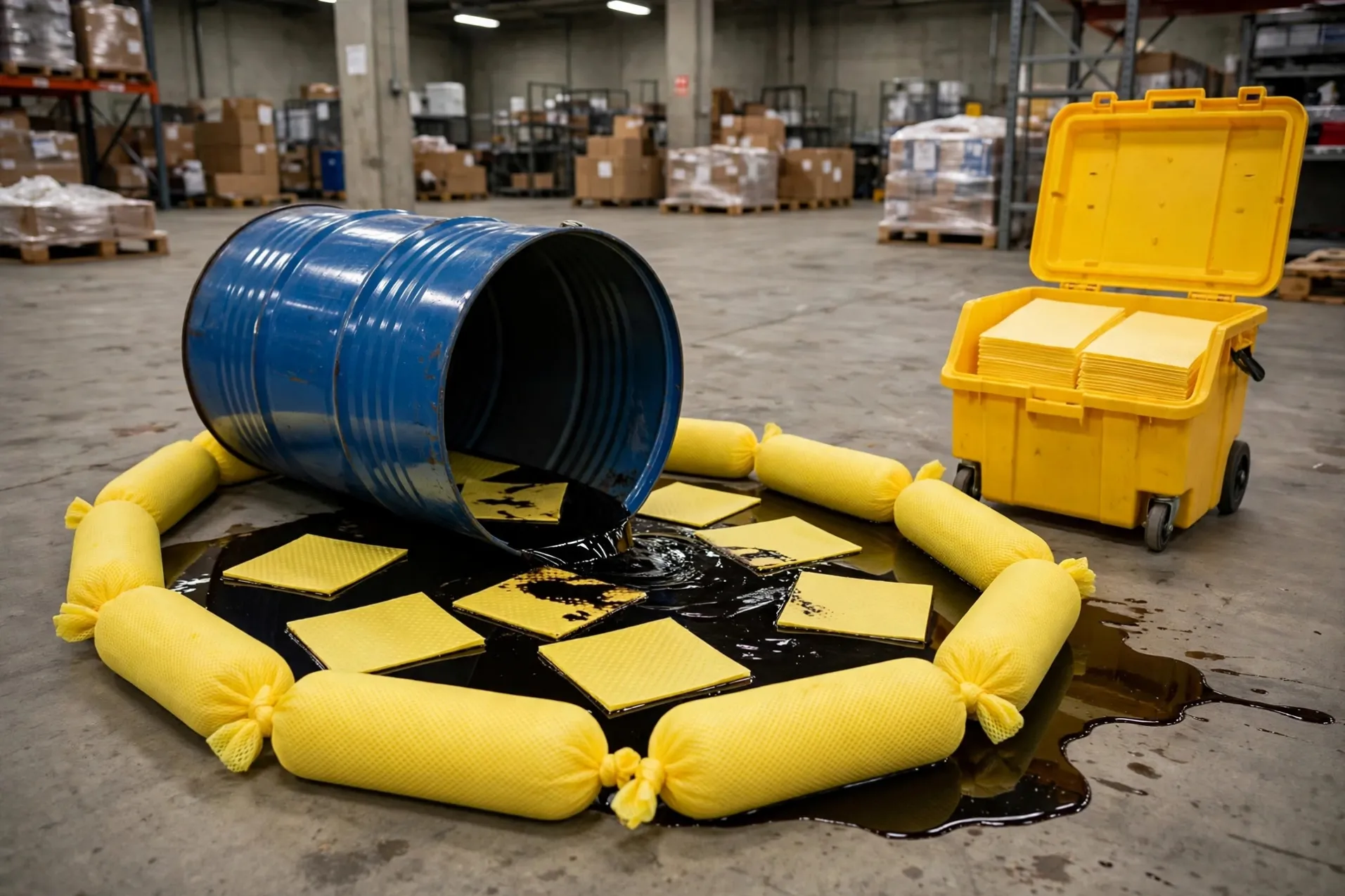
A drum tips at the dock and the crew cleans it up in twenty minutes — but was it reportable? US reportable quantities, the sheen rule and the SPCC thresholds, explained.

A slow drip overnight can reach the drain by morning. How to size secondary containment — spill pallets, berms and bunds — so storage leaks stop at the sump.
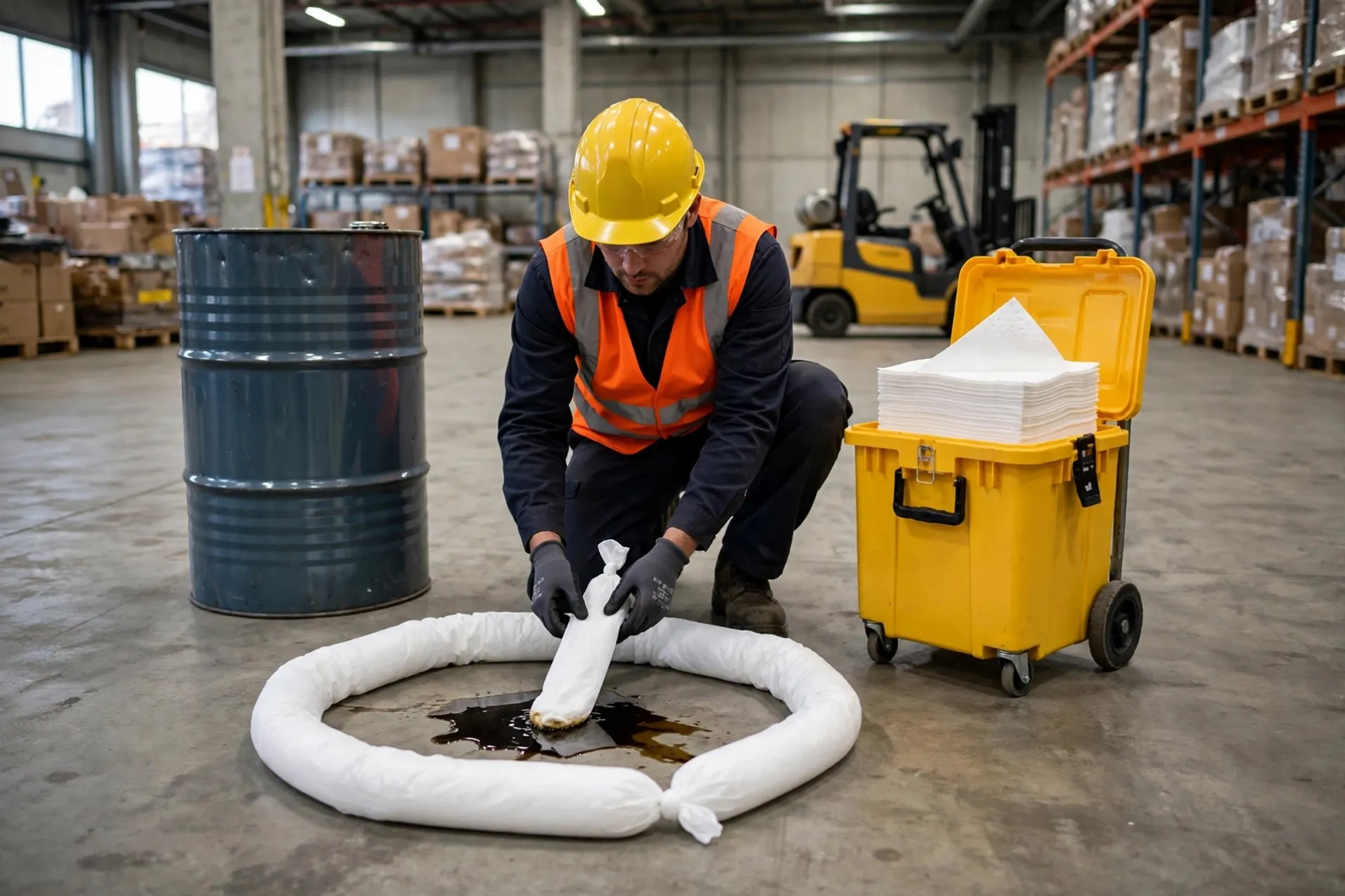
A forklift clips a drum and 200 litres of oil is heading for the drain. What happens next depends on the plan you wrote last month. A practical warehouse spill response plan, step by step.

A foldable berm and a drive-over berm both catch leaks — but they suit different sites. Compare wall height, vehicle access and setup, and pick the right secondary containment for your depot or yard.